
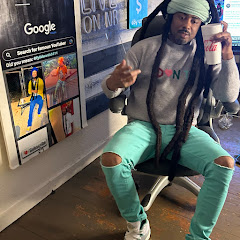
How Live Stream Drama Drives Engagement & Creator Monetization
The world of live streaming isn't always polished, perfectly scripted content. Often, it's the raw, unscripted drama, the heated debates, and the unfiltered reactions to 'internet beef' that captivate audiences and drive engagement. For content creators, understanding this dynamic is crucial for building a sustainable presence and actually monetizing their efforts on platforms like Kick and YouTube. But how does online controversy translate into real-world financial gain, and what are the unspoken rules of navigating this chaotic landscape?
The Unspoken Demand for Live Stream Drama
The discussion quickly establishes a fundamental truth about online audiences: they often prefer drama over friendly content. As one participant noted, viewers "like sh*t going on," and when creators deliver it, they sometimes face backlash for doing exactly what the audience demands. This paradox highlights the tightrope creators walk, striving for engagement while managing audience perception.
Strategies for Boosting Live Stream Engagement
Beyond manufactured controversy, the panel delves into more direct ways to boost live stream engagement. Simple actions, like encouraging viewers to comment, even just with an emoji, can significantly drive up interaction metrics, especially for those who typically watch from the "bushes." Viewers who comment contribute to higher engagement, a crucial factor for a stream's visibility.
The conversation also touches on different content strategies. Some creators, like Shane, have successfully pivoted to new, more authentic niches involving their families, moving away from "fake stories" to generate "stupid numbers." Conversely, the perils of controversial content are raised, with a warning against playing with sensitive topics like "pedophile posts" for views, as authenticity and ethical considerations remain vital in the long run.
The Complex Reality of Creator Monetization
A significant portion of the discussion revolves around the contentious topic of creator pay, particularly on platforms like Kick. One guest questions whether some creators are genuinely "getting paid" or if they are simply "faking it." Angela Agnew, a key figure in the online "beef," provocatively states her "requirements" for aspiring content creators: "Be ready to not get paid." She clarifies her own monetization philosophy, asserting that "a view is a f**king view," implying that attention itself is a form of currency, especially when posts are shared and drive traffic.
A view is a f**king view, f**k. It's no business. You illiterate hoes.
The panel also scrutinizes claims of massive earnings, specifically a creator reportedly making "$39,000 on a sh*t live." Skepticism arises, with participants questioning the authenticity of such figures, noting that engagement numbers don't always directly translate to huge checks, especially with potential "violations" affecting monetization. Ty himself points out that his page has "too many violations" for full monetization on some platforms, necessitating a multi-platform strategy (YouTube and Kick) to generate income. This highlights the varied and often challenging paths to financial success in live streaming.
Navigating Online Controversies and Personal Attacks
The live stream takes a sharp turn into an "intense personal attack rant," showcasing the raw, unfiltered nature of internet beef. Angela Agnew unleashes a scathing diatribe against "Latoria Wyatt," employing harsh language and personal insults. She criticizes everything from Wyatt's appearance, financial decisions (including car insurance rates, credit card management, and cruise choices), to her lifestyle choices like wearing Bermuda shorts. This segment starkly illustrates the highly personal and often aggressive conflicts that can erupt on live streaming platforms, where creators use such confrontations to draw viewers and solidify their online personas.
Practical Financial Advice for Creators (and Everyone)
Amidst the drama, the conversation shifts to practical financial advice, offering genuinely useful information for viewers. One valuable tip shared is about State Farm insurance: the company is reportedly paying out $100 dividends "per policy" for previous years (from 2022 to 2025). Policyholders are encouraged to check their eligibility online by inputting their policy number to receive electronic payments by September 9th, rather than waiting for snail mail checks. The discussion also highlights the "Drive Safe & Save" program, which monitors driving habits to reduce insurance premiums, emphasizing that even simple changes can lead to significant savings for car owners, with some paying as little as $80 a month for full coverage.
Future-Proofing Your Live Stream Strategy
Looking ahead, Ty outlines his evolving streaming strategy, focusing on multi-platform content distribution. He plans to primarily live stream on Kick, then "upload" the full recordings to YouTube for re-watching, aiming to maximize views across both platforms. This approach allows him to leverage the real-time interaction of Kick while building a long-term content library and audience on YouTube.
Ty also clarifies his target demographic, opting to "stay in" his current audience rather than actively pursuing younger viewers. A key development for his Kick channel involves setting up a new "system" for viewer points. These points will have "valid uses," including special emojis, exclusive requests during streams, and even elements of "monetary value," aiming to enhance community engagement and reward loyal viewers.
The Unspoken Rules of Industry Access
The discussion briefly touches upon the unspoken rules of professional entertainment, specifically around audition requirements for shows. The panel debates whether "big stars" are exempt from auditions, with Eddie Murphy mentioned as a rare exception who "don't have to audition no more." Angela Agnew asserts her position, stating she is "the face" but "ain't bigger than no program," suggesting that even prominent figures must adhere to industry standards and show protocols, especially when joining established shows or organizations, including those that might require proving one can "actually fight."
Frequently Asked Questions About Live Stream Culture
How do live streamers monetize internet drama?
While not directly monetized, internet drama drives significant viewer engagement and views, which in turn can increase ad revenue, subscriptions, and gifts, making attention itself a form of currency for creators.
What are common strategies for increasing live stream engagement?
Encouraging viewers to comment (even with just an emoji), cross-posting content on multiple platforms, strategically engaging with online controversies, and offering loyalty rewards like points for special perks are all effective tactics.
Does all controversial content benefit live streamers?
While some controversy can boost views, creators must weigh the risks, as highly sensitive topics or personal attacks can damage reputation and lead to negative backlash or platform violations affecting monetization.
How can I save money on car insurance through State Farm?
State Farm customers can check their eligibility for $100 dividend payouts for past policies (2022-2025) and enroll in the "Drive Safe & Save" program, which monitors driving habits to potentially lower monthly premiums.
How do multi-platform streaming strategies work?
A common strategy involves live streaming on one platform (like Kick) for real-time interaction, then uploading the recorded content to another platform (like YouTube) to expand reach, build a content library, and capture additional views and monetization opportunities.
Key Takeaways for Aspiring Content Creators
The journey to becoming a successful live stream content creator is multifaceted, encompassing not just content creation but also astute navigation of audience dynamics, monetization models, and even personal finance. As highlighted in this candid discussion from Ty Edwards, leveraging drama can be a double-edged sword for engagement, while diversifying platforms and understanding audience demographics are crucial for sustained growth. Ultimately, authenticity, strategic thinking, and a willingness to adapt are paramount in the ever-evolving digital landscape.
This article is based on this video by Ty Edwards. Written and published automatically with BlokStreams.
Comments
Be the first to comment.