
Incarcerated Partner: Why Some Choose to Cheat
Uncover the complex truth of infidelity when a partner is incarcerated. This raw confession explores profound grief, autonomy, and extreme pressures shaping choices.
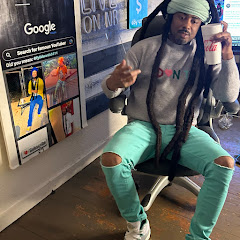
The original video by Ty Edwards plays right here.
The challenges of maintaining a relationship when one partner is incarcerated are immense. Beyond the physical separation, couples grapple with emotional strain, trust issues, and profound personal trials. But what happens when infidelity enters this already complex dynamic? Ty Edwards' raw discussion delves into the unfiltered truth of why someone might cheat while their partner is in jail, exploring the intense emotional chaos, personal grief, and extreme pressures that can drive such a decision. This isn't a story of justification, but a candid exploration of choices made under extraordinary circumstances.
Confronting Accusations and Public Scrutiny
In the video, the speaker is immediately confronted with a barrage of accusations and insults, setting a hostile tone. The discussion quickly escalates, revealing the deep-seated anger and judgment directed at her. She faces claims of vanity, stalking other women, and being generally undesirable. Amidst the chaos, a particularly cutting accusation emerges: her partner, "Mike," allegedly shared her private messages, revealing her romantic involvements to others while he was incarcerated. This public exposure and betrayal intensify the speaker's anger, bringing her personal relationships and choices under harsh public scrutiny.
The speaker directly addresses the implications of her partner's actions and the accusations of infidelity. She makes it clear that while her partner was "locked up," she was not "shut up." This assertion highlights a fierce sense of independence and a refusal to be controlled by the circumstances of his incarceration. The initial moments of the conversation reveal a person pushed to her emotional limits, ready to confront her accusers head-on with an unapologetic stance on her personal life and decisions. The raw, unfiltered language throughout this segment underscores the high emotional stakes of the discussion.
The Weight of Grief: "My Daddy Died. I Cheated."
At the core of the speaker's confession is a profound admission: her father's death directly influenced her decision to cheat. This deeply personal tragedy, occurring while her partner was incarcerated, plunged her into a state of immense sadness and vulnerability. She explicitly ties her infidelity to her loss:
My daddy died. I was sad. I cheated. I miss my daddy.
This revelation shifts the narrative from mere infidelity to a complex interplay of grief, emotional need, and the absence of traditional support. The speaker emphasizes her intense pain and the vacuum created by her father's passing. She describes a desperate need for comfort and intimacy during a period of extreme heartbreak, admitting to seeking both physical and emotional solace. Her actions, she suggests, were a direct response to this overwhelming grief and the void left by her loss. She also challenges the notion that her partner would have acted differently, implying that anyone in her situation, enduring such profound personal loss while their partner was absent, might seek comfort elsewhere. This perspective suggests that her infidelity was not a lack of commitment but a coping mechanism for an unbearable emotional burden.
Maintaining Autonomy While a Partner is Incarcerated
Beyond the grief, another crucial theme emerges: the speaker's unwavering belief in personal autonomy, even when a partner is behind bars. She delivers a powerful statement on the importance of not allowing incarceration to dictate one's life. "If you let a man control you from jail, you are just as slow as you can be," she declares, conveying a strong message against surrendering personal agency. This perspective suggests that while a partner serves time, the unincarcerated individual must continue to live their own life, make their own choices, and maintain their independence.
This assertion of autonomy serves as a counterpoint to the traditional expectations of loyalty and waiting. For the speaker, being "held down" for a partner in jail does not equate to pausing her own life or denying her own emotional and physical needs, especially during a period of severe personal trauma. She outlines her efforts to support her partner financially and materially upon his release, highlighting her commitment in practical terms, yet drawing a clear line at allowing his incarceration to control her personal freedoms and emotional well-being. This creates a complex picture of loyalty, one that prioritizes self-preservation and personal liberty under extreme pressure.
Unconventional Loyalty: Family Rules and Boundaries
The discussion takes an unexpected turn as the speaker outlines a highly unconventional and aggressive set of "rules" for anyone seeking to enter her personal circle, particularly regarding family. Her declarations reveal a fierce, albeit aggressive, sense of loyalty to her own blood relatives. She states that if someone wants to be involved with her, their "sisters dead. Your mommy dead." This extreme sentiment underscores a deep distrust of outsiders, especially women who might compete or interfere.
She further emphasizes her family's loyalty, contrasting it with what she perceives as the disloyalty of others. She proclaims that she would never betray her own family members, asserting, "I never turn my back on my family." In fact, she states that if her brother cheated on his partner, she and her sister-in-law would "jump that person" who was involved with him. These rules highlight a complex and often contradictory framework of loyalty in her world: fierce protection for her immediate family, but a pragmatic and self-preserving approach to external romantic relationships, particularly under duress. This segment reveals a deeply ingrained code of conduct, prioritizing certain forms of loyalty above others in a raw, unfiltered manner.
Frequently Asked Questions About Cheating During Incarceration
What are common reasons for infidelity when a partner is in jail?
While the speaker highlights grief and a need for comfort, other common reasons can include loneliness, emotional neglect, a desire for intimacy, feeling unfulfilled, or a partner's perceived abandonment, all intensified by the unique pressures of incarceration.
How does personal grief, like the death of a parent, affect relationship loyalty?
Profound personal grief can destabilize an individual's emotional state, leading to desperate searches for comfort, support, and intimacy. In the absence of a primary partner, this vulnerability can significantly impact loyalty and decision-making, as seen in the speaker's candid admission.
Can someone maintain independence when their partner is incarcerated?
The speaker strongly asserts that one should not allow a jailed partner to control their life, advocating for personal autonomy and continuing to live one's own life. This perspective suggests that while commitment is important, so is maintaining one's individual identity and emotional well-being.
What role does emotional support play during a partner's incarceration?
Emotional support is crucial for the unincarcerated partner, as they often face immense stress, loneliness, and judgment. A lack of adequate emotional and physical comfort can create a void, which, under extreme pressure or grief, might lead individuals to seek solace elsewhere.
The Raw Realities of Relationships: A Ty Edwards Takeaway
The discussion presented here, originally shared by Ty Edwards, pulls back the curtain on the raw, often uncomfortable truths of relationships under extreme pressure. It offers a candid, unapologetic look at how profound personal grief, coupled with the unique challenges of a partner's incarceration, can profoundly impact an individual's choices regarding loyalty and commitment. Ty Edwards' platform consistently provides a space for such unfiltered conversations, exploring the complexities of human emotions and decision-making without judgment. This particular segment underscores that real-life relationships are rarely black and white, especially when faced with unimaginable personal loss and the harsh realities of the justice system.
Ty Edwards
New stories from every video, straight to your feed.
This article is based on this video by Ty Edwards. Written and published automatically with BlokStreams.
Comments
Be the first to comment.